
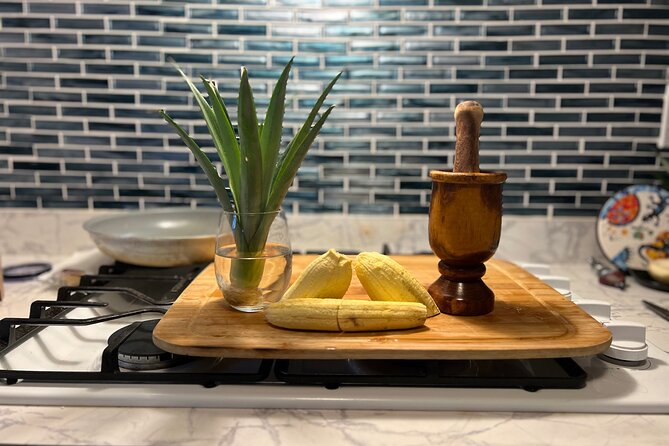
Reviewed · FOOD & DRINK
Caribbean Food Experience
Food tells Puerto Rico’s story. This two-hour class in Piñones gives you a friendly, hands-on way to learn that story through sofrito, plantains, adobo, and fresh piña coladas. I like the small group size, capped at 12 people, and I like that you can take part at your own pace rather than face a stiff cooking-school routine.
I also like the setting. Piñones is a coastal town outside the main San Juan sightseeing areas, so this experience feels local and relaxed. The main consideration is the meeting point in Carolina, Loíza, rather than central San Juan, so you’ll want to check the location carefully before booking.
In This Review
- Key points at a glance
- Why Piñones makes a good food stop
- Meeting Mauro and settling into the kitchen
- Starting with the piña colada
- Sofrito, the flavor base of the meal
- Plantains become tostones baskets and mofongo cups
- Quesitos and the sweet finish
- What you get for $89 per person
- Who will enjoy this most
- Practical details before you book
- My take on the cooking experience
- Should you book it?
- FAQ
- Where does the Caribbean Food Experience take place?
- How long does the experience last?
- How much does the experience cost?
- How many people can join the class?
- What dishes and drinks will I learn to prepare?
- Is the class suitable for beginners?
- Does the activity end at the same place where it starts?
- Can I cancel for a full refund?
- What happens if bad weather cancels the experience?
Key points at a glance
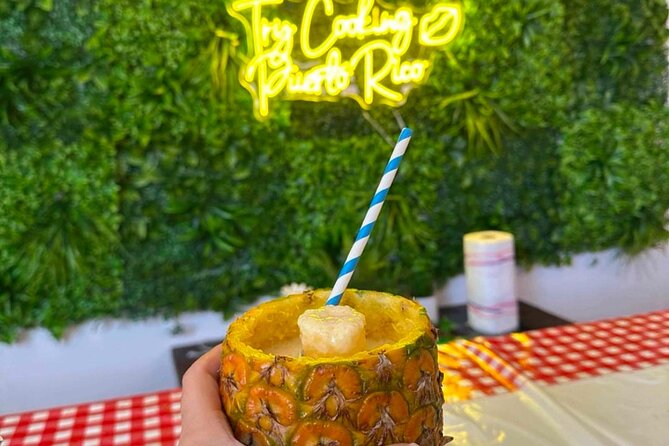
- Local cooking in Piñones: Learn Puerto Rican dishes at Try Cooking San Juan, opposite Centro Comunal Piñones.
- Mauro leads the class: He brings patience, humor, salsa music, and clear instruction to the kitchen.
- Four classic preparations: Make piña coladas, sofrito, tostones baskets, and quesitos.
- Generous food tastings: Expect freshly prepared dishes, including chicken in mofongo cups and a guava pastry.
- Small-group format: The maximum is 12 people, which keeps the class more personal.
- Good value for food lovers: At $89 per person, you receive instruction, cooking, drinks, and a full tasting over about two hours.
Why Piñones makes a good food stop
Piñones gives this experience a different feel from a standard cooking class in a hotel or a formal culinary studio. The area is a coastal town in the Carolina and Loíza part of Puerto Rico, and the meeting point is at Try Cooking San Juan, opposite Centro Comunal Piñones on PR-187.
I like that the class takes place outside the most familiar San Juan visitor circuit. You are not simply watching someone prepare a dish for a demonstration. You are learning how several basic Puerto Rican ingredients fit together in everyday cooking.
The setting also helps explain why the food feels tied to place. Plantains, pineapple, sofrito, and adobo are not decorative extras here. They are the building blocks of the meal, and the class shows you how they move from raw ingredients to dishes you can eat right away.
You should pay attention to the exact meeting point. The activity starts and ends there, and no transportation details are included in the information provided. I would not assume hotel pickup in San Juan. Plan your route to Piñones before the day of the class.
More Food & Drink in San Juan
- Authentic Flavors of San Juan Food Tour
★ 5.0 · 4,741 reviews - El Yunque Waterslide and Waterfall Tour with Food and Photos
★ 4.5 · 1,215 reviews - Rum Tasting Tour at Casa BACARDÍ in Puerto Rico
★ 4.5 · 1,095 reviews
Meeting Mauro and settling into the kitchen
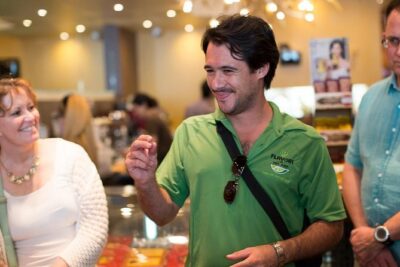
Mauro is the chef and instructor, although some of the feedback refers to him as Mao. His approach sounds relaxed and practical. He is patient with beginners, keeps the mood light, and explains the food while you work.
That matters because cooking classes can go wrong when the instructor moves too fast or expects everyone to arrive with kitchen experience. This one is described as beginner-friendly, with no pressure to perform. I would choose it for a first cooking class, a family activity, or a food-loving couple who wants something more social than a restaurant meal.
The small group limit of 12 people is another advantage. A group this size can still feel lively, but it gives you a better chance to hear instructions and participate. It also suits people who prefer a casual class rather than a large demonstration where you mainly watch.
Salsa music adds to the atmosphere. That detail may sound minor, but it helps make the session feel like a Puerto Rican food gathering instead of a technical lesson. You learn, prepare, eat, and talk without the class becoming overly formal.
Starting with the piña colada
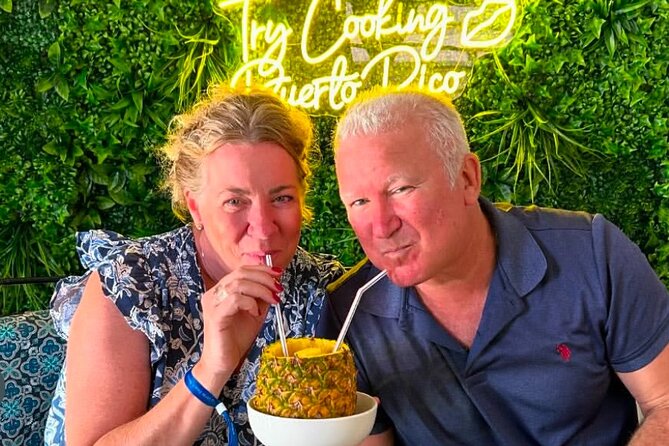
The piña colada is one of the first pleasures of the experience. You learn how to prepare the drink using fresh pineapple, and the tasting gives you an immediate introduction to the sweet, tropical side of Puerto Rican cooking.
I like the fact that the drink is part of the class rather than an afterthought. It gives you something enjoyable to sip while the other dishes come together, and it connects the food lesson to one of Puerto Rico’s best-known drinks.
One especially useful detail is that the class focuses on making the drink, not merely serving it. You can pay attention to the balance of ingredients and the process, then try the result yourself. If you enjoy recreating dishes at home, this may be one of the most memorable skills from the session.
The drink is also a good fit for non-cooks. You can take part without needing to master a complicated recipe, and the relaxed pace means you can enjoy the food and conversation even if you are not eager to handle every task.
Sofrito, the flavor base of the meal
Sofrito is central to Puerto Rican cooking, and this class gives it proper attention. You make fresh sofrito and see how it supports the dishes that follow.
For someone unfamiliar with Puerto Rican food, this may be more useful than learning one isolated recipe. Sofrito is a base, a way of building flavor before the main ingredients are added. Once you understand that foundation, dishes such as chicken and mofongo make more sense.
The class also introduces adobo, another essential seasoning. These ingredients help you understand why the food tastes layered even when the recipes use familiar items. You are not simply eating plantains or chicken. You are learning how seasoning and preparation change them.
A particularly appealing part of the meal is chicken served in mofongo cups. The plantains are shaped into small baskets or cups, then filled with the savory chicken mixture. This gives you a practical lesson in texture and presentation, while still producing food that is easy to enjoy at the table.
More Food in San Juan
- Savor the Sunset: Old San Juan Walking Food Tour
★ 5.0 · 559 reviews - Morning Old San Juan Food Tour
★ 5.0 · 233 reviews - El Yunque Hike, Waterslide & Luquillo Kiosks Food with Transport
★ 5.0 · 70 reviews - Famous Guavate Pork Road & Charco Azul Food & River Tour
★ 4.5 · 45 reviews
Plantains become tostones baskets and mofongo cups

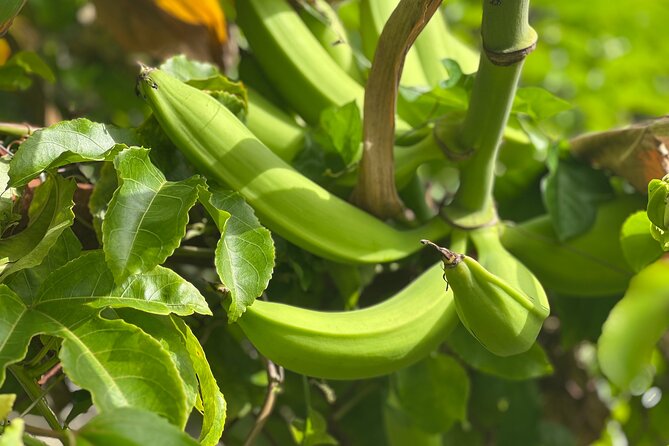
Plantains can be unfamiliar to some cooks, and this experience gives them more than one role. You learn to prepare tostones baskets and mofongo cups, showing how the same basic ingredient can become crisp, sturdy, or hearty depending on the technique.
I like this part because it is both hands-on and useful. You are not just told that plantains matter in Puerto Rican food. You see how they are transformed and then taste the result.
The plantain preparation also appears to be a highlight for people who do not usually choose plantains. The seasoning and the mofongo format can win over someone who has never been a fan of the ingredient. That makes this a good class for mixed groups, where one person is an enthusiastic cook and another is simply curious about the food.
You should expect a generous tasting rather than a tiny sample. The meal includes chicken in the mofongo cups, and the cooking process leads to food prepared for the group. I would still think of this as a food experience first, not a formal lunch restaurant replacement, but the portions sound substantial enough to make the $89 price easier to justify.
Quesitos and the sweet finish
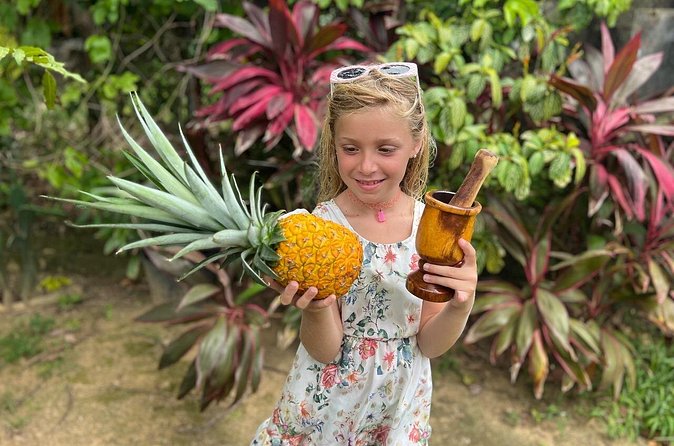
The class also includes quesitos, a Puerto Rican pastry with a sweet filling. You prepare the pastry as part of the session and taste it fresh.
The guava pastry is singled out as especially memorable, which makes sense. Guava gives the dessert a distinctly Caribbean character, and it provides a nice contrast to the savory sofrito, chicken, and plantains.
This is also where communication becomes important. One participant with celiac disease received a gluten-free dessert after the dietary need was accommodated. That is encouraging, but I would still contact Try Cooking San Juan before booking to discuss any allergy or dietary restriction. The information confirms one successful accommodation, not a guarantee that every request can be met.
The dessert portion helps round out the class. You learn a drink, a seasoning base, savory dishes, and a pastry, so the session covers more than one narrow corner of Puerto Rican cooking.
What you get for $89 per person
At $89 per person, this is not the cheapest way to eat in Puerto Rico. You can find less expensive meals, especially if your only goal is to sample local food.
The value improves if you want instruction and participation along with the meal. The price covers about two hours, a small-group class, food preparation, tastings, a piña colada lesson, and time with a local chef. You are paying for the social setting and the chance to learn techniques, not just for the final plate.
I would consider the price reasonable for a couple, family, or small group that enjoys cooking together. The class also makes more sense for someone who wants a story to take home: you learn why sofrito matters, how plantains are used, and how a classic dessert fits into the meal.
It is less compelling for a person who dislikes group activities or only wants a quick tasting. Since the class lasts about two hours, you need to give it a meaningful part of your day. The experience ends at the same point where it begins, so you can plan the rest of your schedule around Piñones.
Who will enjoy this most
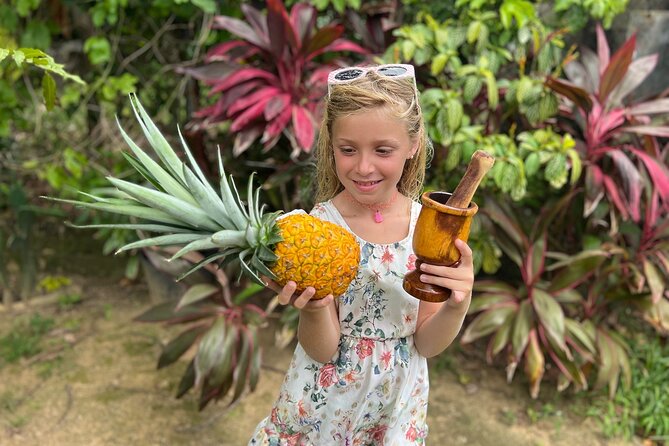
I would recommend this experience to:
- First-time visitors to Puerto Rico who want food context, not just a restaurant meal.
- Couples and families who enjoy preparing and eating together.
- Beginner cooks who prefer patient instruction and a low-pressure atmosphere.
- Food-focused visitors who want to understand sofrito, adobo, plantains, and mofongo.
- People seeking a local setting outside the main San Juan sightseeing areas.
- Small groups who value a personal class over a large demonstration.
I would hesitate if you want a silent, highly technical culinary course. The music, conversation, and easygoing tone are part of the appeal. I would also pause if getting to Piñones is difficult for your itinerary, since the meeting point is not in the center of San Juan.
Practical details before you book
The experience lasts approximately two hours and accepts a maximum of 12 people. That cap is worth noting because it affects the feel of the class and the amount of attention Mauro can give each participant.
You receive a mobile ticket, and confirmation is provided when you book. Service animals are allowed.
The activity requires good weather. If poor weather causes a cancellation, you will be offered another date or a full refund. You can cancel for a full refund up to 24 hours before the start time, but cancellations or changes made less than 24 hours in advance are not accepted for a refund.
I would also leave a little flexibility around the class if your schedule allows. The start and end point are the same, but the supplied information does not include transportation arrangements or a hotel transfer.
My take on the cooking experience
The strongest part of this class is its balance. You get enough cooking to feel involved, enough tasting to feel well fed, and enough cultural explanation to understand what is on the plate.
Mauro’s personality is another major reason to consider it. The descriptions of his teaching emphasize patience, humor, and useful instruction. That combination is important in a beginner class. You want someone who can explain the food without making you feel tested.
I also appreciate the range of dishes. Piña coladas, sofrito, tostones baskets, mofongo cups, chicken, and quesitos give you several different lessons in one visit. The food moves from drink to seasoning base, savory main preparation, plantain technique, and pastry.
The main drawback remains location and timing. Piñones is part of the appeal, but you need to arrange your own plans around reaching the meeting point. The $89 cost also requires you to value the cooking lesson, not just the food.
Should you book it?
You should book this Caribbean food experience if you want a friendly, small-group introduction to Puerto Rican cooking and you can comfortably reach Piñones. I especially recommend it for couples, families, and beginners who enjoy learning by doing.
Skip it if you only want a fast meal, dislike group classes, or are unwilling to spend part of your San Juan schedule outside the central area. For everyone else, the combination of fresh food, local instruction, salsa music, and practical recipes makes this a worthwhile way to spend two hours in Puerto Rico.
FAQ
Where does the Caribbean Food Experience take place?
It begins and ends at Try Cooking San Juan, opposite Centro Comunal Piñones, on PR-187 in Carolina, Loíza, Puerto Rico.
How long does the experience last?
The activity lasts approximately two hours.
How much does the experience cost?
The listed price is $89 per person.
How many people can join the class?
The activity has a maximum of 12 participants.
What dishes and drinks will I learn to prepare?
The experience includes piña coladas, sofrito, tostones baskets, and quesitos. Food tastings also include dishes such as chicken in mofongo cups.
Is the class suitable for beginners?
Yes. The experience is described as beginner-friendly and low pressure.
Does the activity end at the same place where it starts?
Yes. The activity ends back at the meeting point in Piñones.
Can I cancel for a full refund?
Yes. You can cancel at least 24 hours before the experience start time for a full refund.
What happens if bad weather cancels the experience?
If the activity is canceled because of poor weather, you will be offered a different date or a full refund.
More Food and Drink Outings
- Ron del Barrilito Rum Tasting Skip-the-Line Tour
★ 5.0 · 192 reviews - Bio Bay Magic and Rum Tasting Tour from San Juan
★ 4.5 · 152 reviews - Christmas Vibe: Old San Juan Pitorro Rum Tasting Experience
★ 5.0 · 85 reviews - Old San Juan PR Fruit infused Moonshine & Cream liqueur Tasting
★ 5.0 · 80 reviews
More Dining Experiences
- Old San Juan Historical Walk, Shopping, and Dining w/ Transport
★ 4.5 · 381 reviews - FlyDining: Sunset & City Lights Dinner Over Old San Juan
★ 4.5 · 326 reviews - FlyDining: 4 Courses Dinner with City Lights & Ocean Breeze
★ 4.5 · 71 reviews - Ponce: Walking City Tour, Entry Seralles Museum & Dinner Included
★ 5.0 · 18 reviews
Just added around San Juan
- Taxi Cab From Humacao To San Juan Airport★ 4.5 · 3 reviews
- Professional Photoshoot in the Vibrant Streets of Old San Juan★ 5.0 · 3 reviews
- Premium Transfer Service FROM or TO Rio Grande Puerto Rico★ 5.0 · 3 reviews
- Private El Yunque Tour To Hidden Waterfall Remote Area★ 3.5 · 3 reviews
- “Off the beaten path” Rain Forest Guided hike with Transportation★ 3.5 · 3 reviews
- Ponce Historical City Tour★ 4.5 · 3 reviews
- Authentic San Juan Guided Walking Food Tour with Pina Colada★ 5.0 · 3 reviews
- Half-Day: Rainforest and Waterslide Adventure with Transportation★ 5.0 · 3 reviews
Food & Drink, compared.

El Yunque Waterslide and Waterfall Tour with Food and Photos
Read our review →
Rum Tasting Tour at Casa BACARDÍ in Puerto Rico
Read our review →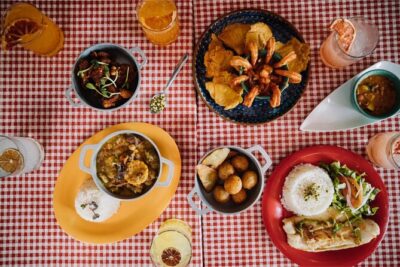
Savor the Sunset: Old San Juan Walking Food Tour
Read our review →

Ron del Barrilito Rum Tasting Skip-the-Line Tour
Read our review →
Bio Bay Magic and Rum Tasting Tour from San Juan
Read our review →
Christmas Vibe: Old San Juan Pitorro Rum Tasting Experience
Read our review →Browse the lists this tour appears in